
As years pass, the divorce rate in Rwanda has been steadily increasing, as evidenced by various reports. In 2016, courts handled only 21 divorce cases, which rose to 69 in 2017 and then surged to 1,311 in 2018.
By 2019, a staggering 8,941 families were legally divorced, according to the National Institute of Statistics of Rwanda (NISR). In 2020, the courts received 3,213 divorce petitions, and the trend continued in subsequent years.
The Judicial Performance Report for 2021/2022 revealed that divorce cases dominated civil litigation. That year, 3,322 couples were officially divorced. Similarly, the 2023/2024 report by the judiciary highlighted that out of 25,481 civil cases handled, 2,833 involved divorce, making it the most prevalent issue.
Although there are periods when the number of divorces slightly declines, this does not imply that the issue is losing its significance. On the contrary, divorce remains a pressing concern for Rwandan society.
The increasing prevalence of divorce raises critical questions: Are couples less tolerant of each other? Do societal pressures play a role? While individual reasons for divorce vary, some recurring factors include infidelity, disagreements over property, constant conflicts, domestic violence, lack of preparedness for marriage, failure to fulfill marital responsibilities, and incompatibility.
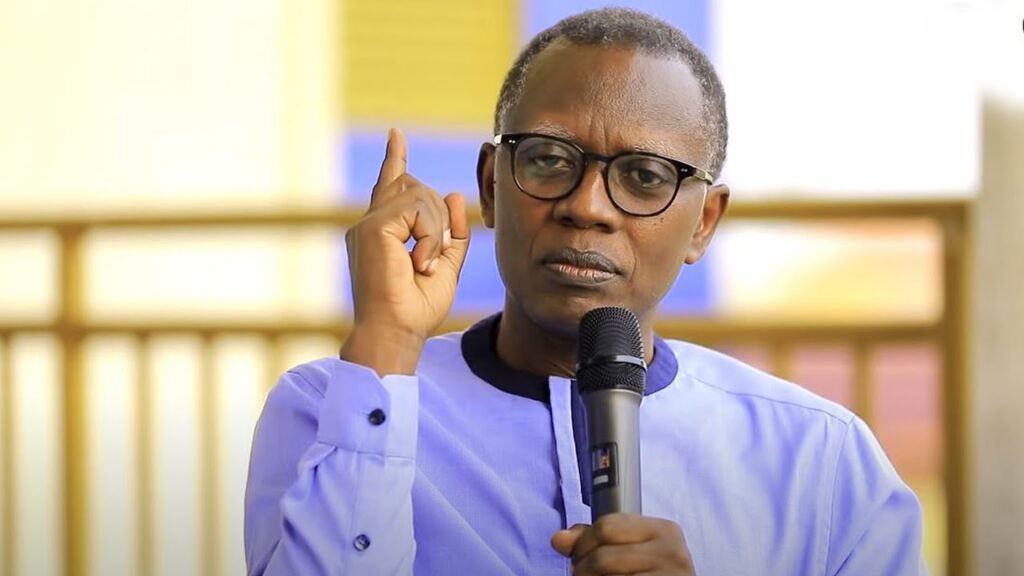
Pastor Dr. Antoine Rutayisire, in a recent interview on the YouTube channel “MIE Empire,” attributed the rise in divorce rates to couples marrying without truly knowing each other.
He explained that in earlier times, couples and their families were well-acquainted before marriage.
“In the past, a young man would marry someone from his local community. For instance, a man from Karongi would not marry a woman from Kirehe because he might not even know she existed,” he noted.
This familiarity among families often facilitated conflict resolution, as relatives would intervene to mediate and preserve the marriage.
Pastor Rutayisire lamented that today, family involvement has diminished, leaving couples to face challenges alone, often culminating in divorce.
Strategies to reduce divorce rates
Pastor Rutayisire emphasized the need for a multifaceted approach to strengthen marriages. He suggested that couples should understand that marriage is built on shared responsibilities and commitment.
He called for a collaborative effort by schools, religious institutions, and families to prepare young people for marriage.
“Young people should be taught about building and maintaining a home from an early age,” he stated.
This includes learning essential skills such as effective communication, active listening, and conflict resolution.
Pastor Rutayisire also proposed the creation of surrogate family structures for couples living far from their relatives.
For example, he suggested that churches could form supportive groups within their congregations to provide guidance and assistance to struggling couples.
“Imagine living in Kigali and attending the Anglican Church in Remera. The church could assign a family to mentor you, offer advice during tough times, and help prevent divorce,” he said.
Additionally, he urged parents to stay engaged in their children’s marital lives by providing counsel and addressing issues before they escalate.
However, he warned couples to carefully evaluate the advice they receive, as not all guidance is beneficial. He encouraged partners to prioritize love, faith, and mutual respect as foundational pillars of a successful marriage.
Characteristics of a thriving marriage
According to Pastor Rutayisire, a strong marriage is built on maturity, preparedness, and a clear understanding of marital responsibilities.
“A mature person who knows the difference between right and wrong, and who understands that marriage is more than just a source of happiness, is well-equipped to build a successful home,” he explained.
He also stressed the importance of personal integrity, open communication, and collaborative decision-making on family finances and broader family matters. “A marriage founded on these principles is unlikely to fail,” he concluded.
The issue of marriage and divorce was also addressed by First Lady Jeannette Kagame in a publication at the end of 2024. She highlighted the importance of planting seeds of love, unity, and responsibility to reap the benefits of a harmonious family.
Rwanda’s updated family law, revised in 2024, provides that a divorce petition can be filed by either spouse and is processed like other civil cases. According to Article 250 of the law, a divorce claim must be submitted within five years of the grounds for the claim becoming known.